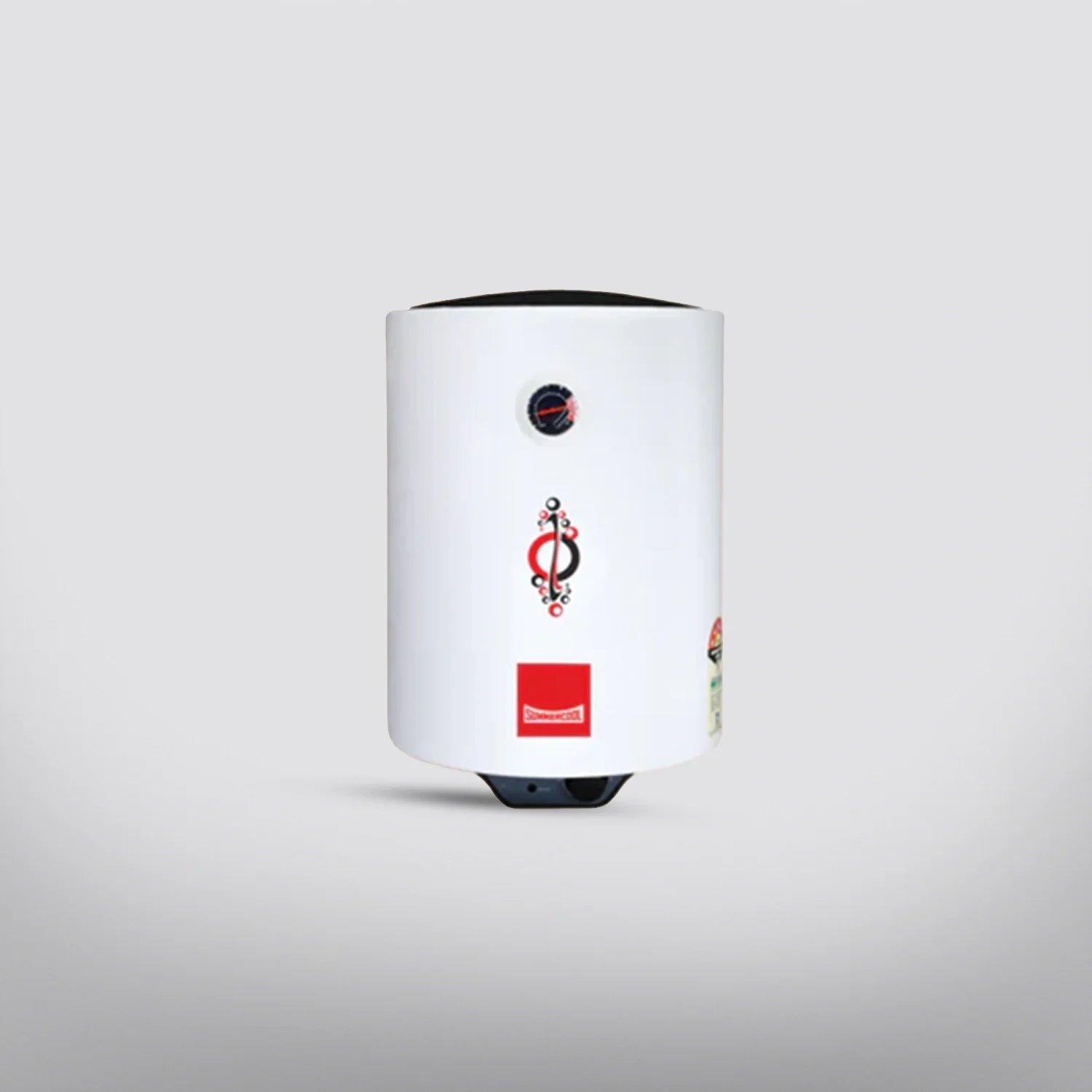
As the winter chill settles into the valleys of Nepal, a reliable water heater becomes less of a luxury and more of a daily necessity. Whether you are looking for a compact instant heater for a small bathroom or a heavy-duty storage tank for a large family, navigating the market can be overwhelming.
This guide breaks down the latest geyser prices in Nepal, top-rated brands, and the essential features you need to consider before making a purchase.
Estimated Geyser Price List in Nepal (2026)
Prices in Nepal vary based on capacity (liters), heating technology (Gas vs. Electric), and brand reputation. Below is a general price bracket to help you budget:
| Geyser Type | Capacity | Estimated Price (NPR) |
| Instant Electric | 1L - 3L | Rs. 4,500 – Rs. 8,500 |
| Storage Electric | 10L - 15L | Rs. 10,000 – Rs. 16,000 |
| Storage Electric | 25L - 50L | Rs. 14,000 – Rs. 25,000 |
| Gas Geyser | 6L - 10L | Rs. 6,500 – Rs. 12,000 |
| Solar Water Heater | 100L - 300L | Rs. 40,000 – Rs. 90,000+ |
Top Geyser Brands in Nepal
When investing in an appliance that involves both water and electricity, choosing a reputable brand is vital for safety and longevity.
Baltra: A household name in Nepal, Baltra offers some of the most budget-friendly and durable options, especially in the gas and instant electric categories.
Himstar: Known for local reliability, Himstar geysers are designed to handle local water conditions and offer excellent after-sales service.
CG (Chaudhary Group): CG provides high-end features like glass-lined tanks and energy-efficient heating elements at competitive prices.
Havells & Bajaj: These international brands are preferred for their superior safety features, sleek designs, and long-term warranties on the inner tanks.
Yasuda: A great middle-ground brand that balances price with modern safety sensors.
Choosing the Right Type: Gas vs. Electric
1. Electric Geysers
Pros: Easy to install, safer for indoor use (no carbon monoxide risk), and consistent temperature control.
Best for: Modern apartments and homes with stable electricity.
2. Gas Geysers
Pros: Heats water instantly, works during power cuts (load shedding), and generally has lower running costs.
Best for: Large families and areas with frequent power interruptions. Note: Must be installed in a well-ventilated area.
3. Solar Water Heaters
Pros: Zero monthly electricity bills and eco-friendly.
Best for: New house constructions with roof access and high daily water usage.
Buying Guide: What to Look For
Before you click "buy" or head to the showroom, check these four critical factors:
Tank Coating: Look for Glass-lined or Titanium-coated tanks. Nepal’s water can be "hard," leading to corrosion; these coatings prevent the tank from leaking over time.
Pressure Rating: If you live in a high-rise building or use a pressure pump, ensure your geyser has a high-pressure rating (at least 8 Bar).
Safety Features: Ensure the unit has a thermostat, thermal cut-out, and a multi-function safety valve. For gas geysers, an oxygen depletion sensor (ODS) is a must.
Energy Rating: Check for the star rating. A 5-star rated electric geyser might cost more upfront but will save you thousands on your monthly NEA bill.
Maintenance Tips for Longevity
Anode Rod Replacement: Most electric geysers have a magnesium anode rod that prevents corrosion. Replace it every 2 years.
De-scaling: If you notice the heating time increasing, have a technician clean the calcium deposits (scale) from the heating element.
Check Connections: Before the peak of winter, inspect gas pipes and electrical wiring for any signs of wear or leakage.
Finding the right geyser in Nepal depends on your family size and your home's infrastructure. While Baltra and CG offer fantastic value, brands like Havells provide peace of mind with premium safety. Stay warm this winter by choosing a model that balances efficiency with the specific needs of your household.Which brand are you considering for your home? Let us know by contacting us!
Powered by Froala Editor